
NOVEMBER 3 · ELECTION DAY
Midterms 2026
The orientation guide to the cycle: what is on the ballot, when the calendar turns, and which races decide control of Congress.
What is actually on the ballot
Every House seat and roughly a third of the Senate are up in 2026, along with governorships and state legislative chambers that will shape redistricting for years. That combination is why midterms matter beyond the federal headline: state legislatures elected this year can draw or block maps after the next census cycle. Down-ballot races for secretary of state and attorney general also affect how elections are run.
Read the cycle as one connected set of choices rather than separate elections. A county commission contest and a Senate seat share the same ballot, the same turnout curve, and often the same volunteers. When a single race changes shape — a retirement, a map ruling, a filing deadline that passes — the ripple shows up somewhere else on the sheet. That is the reason this guide orders the cycle by structure first, then by story.
The two chambers are not decided the same way. The House runs through districts, which means maps and boundaries carry as much weight as any campaign message. The Senate runs through states, so the national picture is really a short list of local ones. Keep both in view, and the midterm stops looking like one election and starts looking like a set of them running on the same day.
The calendar, month by month
DEPARTURES THROUGH NOVEMBER
Filing deadlines and primary dates vary by state and have already passed in several places, which is why some districts have settled nominees while others are still arguing in court. Early voting and mail-ballot windows open at different points in October, and the last legal challenges to maps generally have to land before those windows open. The lame-duck session and any post-election litigation follow after certification.
Candidate fields are set in most states. A handful of primaries are still being sorted out in court.
State-by-state nomination contests decide who carries each party line into the fall.
Mail ballots go out and in-person early voting opens on a state-by-state schedule that runs through the end of the month.
The Missouri dispute is active, and courts can rule close to filing and early-voting deadlines. Some district lines may move late.
Polls close across six time zones. Results in close races may take days to settle.
Counties certify, recounts follow where margins are thin, and the current Congress returns for a lame-duck session.
Dates above describe the shape of the cycle, not a substitute for your state's official calendar. Filing and early-voting windows are set locally and change year to year.
Where the control question actually runs
Control of the House runs through a relatively small number of districts, and redistricting has changed which ones those are. The Supreme Court has barred a Republican-drawn Missouri map for a third time, and the case is not an isolated one. Map disputes can shift the competitiveness of a seat before candidates even campaign in it. That is why election law coverage belongs next to race coverage, not in a separate section.
The Senate is decided by a handful of contests rather than a national vote, and both parties are spending accordingly. Ohio and South Carolina are among the races drawing the most attention, with national figures appearing in both. Each seat changes what the chamber can pass, including during the lame-duck period. Follow the specific states if you want to understand the control question.
Turnout, early voting, and ballot access
Turnout in midterms is usually lower than in presidential years, which makes ground game and early-voting organization disproportionately important. Mail ballot rules, drop-box availability, and voter ID requirements differ by state and have been litigated in several. Ballot access disputes can still remove or restore candidates and measures before the deadline. We explain the rules where they are actively in play.
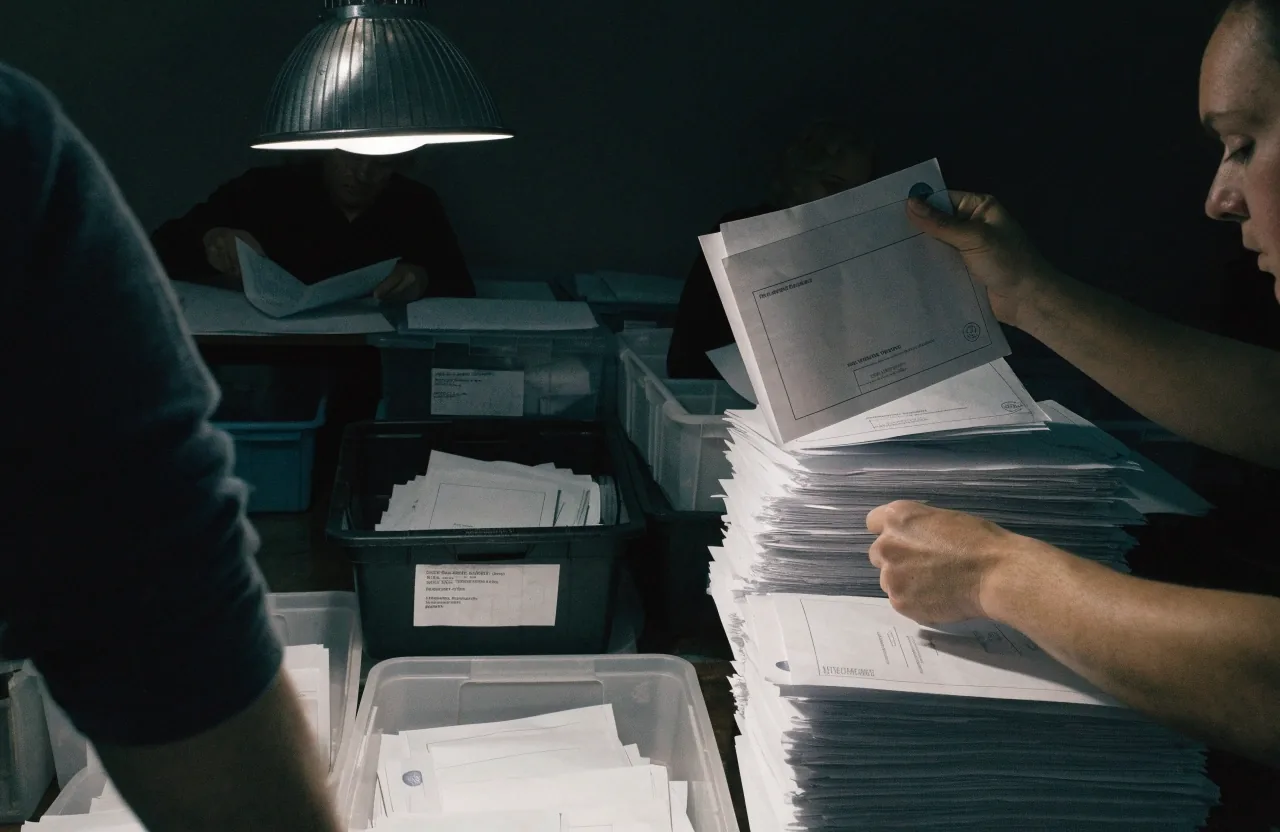
Precinct materials are prepared state by state. Early-voting windows and mail rules follow the same local calendar.
The issues setting the terms
Immigration, crime, foreign policy, and spending are the themes campaigns are using to frame the cycle, and the White House agenda feeds directly into all four. Which issues actually move undecided voters tends to show up first in competitive Senate states. Watch the messaging shift as early voting begins.
How to read polls and forecasts
Polling in midterms is state-level and often sparse outside competitive races, so national numbers tell you less than they appear to. Forecasts are models, not results, and they carry uncertainty that headlines usually strip out. We report poll data with its source and its limits, and we separate a projection from a reported fact. Treat any single number as one input — a survey is a snapshot of one week in one state, not a verdict on November.
The practical test is simple. Ask who was polled, when, and whether the sample reflects the electorate that actually turns out in a midterm. Off-year electorates skew older and more habitual than presidential-year ones, and a poll built on the wrong turnout model can be accurate in the field and wrong on the page. That is why we show the source line, the field dates, and the margin — and why we do not treat any forecast as a result.
What happens after November 3
Certification, recounts, and any litigation continue for weeks after Election Day, and close races can remain unresolved into December. The current Congress returns for a lame-duck session where stalled bills sometimes move, though the chamber split limits what can pass. New members are sworn in at the start of the next term. We follow the transition as closely as the campaign itself, because the weeks between the vote and the swearing-in often decide the practical details a bill actually carries.
Practically speaking, watch three things: county certification boards, any mandatory recount triggered by a margin threshold in state law, and court filings that land after polls close. Each one has its own clock, and they do not wait on each other. When a race goes to a recount, the winner's seat is not vacant — the sitting member holds it until a successor is sworn in, which is why the lame-duck calendar matters as much as the tally.
Late-arriving mail and provisional ballots are processed under state rules.
Close margins in several races fall within state recount thresholds.
The sitting Congress returns with a fixed calendar and a narrow set of options.
The new chamber takes the gavel and the cycle ends where the next one starts.
Reader questions, answered
When is Election Day in 2026?
November 3. Early voting and mail-ballot windows open at different points in October depending on the state, so check your county's published schedule before you make a plan to vote.
How many Senate seats are up in 2026?
Roughly a third of the chamber, which is why a small number of states decide control. The spending and travel maps follow those states rather than the national polls.
Can district maps still change before the vote?
Yes, in some states. The Missouri dispute is active, and courts can rule close to filing and early-voting deadlines. If a map changes late, the candidate field and the competitiveness of the seat can both shift with it.
Why do down-ballot races matter this cycle?
State legislatures elected in 2026 will influence redistricting, and offices like secretary of state affect how elections are administered. Those seats rarely top a headline, but they set the rules the next cycle runs under.
Still have a question about your own state's calendar or rules? The desk answers reader mail on weekdays. Write to [email protected] or use the contact page.
ONE CYCLE. EVERY SEAT. ONE BOARD.
NEXT STEP
Follow the races that decide the chambers, or start with the redistricting fights that will shape the maps both parties run on. Fendoria publishes across the cycle — the calendar above runs to certification, and the desk keeps filing from Washington until the new members are sworn in.
THE DESK
1600 Pennsylvania Avenue NW, Washington, DC 20500
[email protected] +1 202-437-1726Monday to Friday, 9:00 AM – 6:00 PM ET