Fendoria · Congress desk
Congress tracker
What the House and Senate are doing right now: floor votes that moved, committee action that opened or closed a door, and the bills sitting still while the 2026 midterms take over the calendar.
House floor
Recorded vote, messaging frame
Senate
Cloture pending
Committee
Hearing scheduled
Stalled
AI safety bill held
Oversight
Documents requested
Lame duck
Window after Nov 3
How to read a floor vote
A recorded vote tells you what passed, but not always what it meant. Amendments, procedural motions and voice votes can change a bill's effect before it reaches a final tally. What you see on the board is a result, not the whole story behind it.
We separate two kinds of votes that get reported as if they were the same thing. A vote that advances a measure moves it toward becoming law. A vote that only keeps it alive buys time, nothing more. That distinction matters more in an election year, when some votes are scheduled for messaging rather than outcome — and both sides know it before the gavel falls.
Amendment votes are the easiest place to lose the thread. A measure can pass its final vote with language attached that changes who it applies to and when it takes effect. When we flag a bill as moving, we check the text that actually survived the floor, not the version that was introduced.
Committee chairs and the gatekeeping power
Most legislation dies in committee, and the chair decides what gets a hearing. A chair can stall a bill indefinitely without a vote, no markup, no floor time, no record anyone can point to. When a measure suddenly moves, the reason is usually in the committee schedule rather than the news cycle.
Redistricting
Jurisdiction overlaps the midterm argument about maps. Any federal proposal here gets read against state authority before it gets read on its merits.
Election administration
Funding, standards and oversight live here. The committee can shape what states can afford to do even when it cannot dictate the rules.
Foreign policy oversight
Testimony, document requests and closed briefings. Some hearings inform the public record; others run alongside the campaign. We mark which is which.
Held without a vote
A bill can sit for an entire session with no hearing scheduled. That is the quietest way legislation stops, and it leaves no tally to report.
The bills that stalled, and why
Stalling is a strategy, not always a failure. Some measures are waiting on a procedural step, others on a decision at the top of a chamber. Here is how the biggest stalled items sit right now, and what would have to happen for each to move again.
Both chambers
AI safety legislation remains the clearest example of a high-profile measure caught in the chamber split. Scope and jurisdiction are still disputed, so the text keeps changing before any vote is scheduled.
Chamber leadership, competing referral
Stalled
House
Election funding measures have stalled on competing committee jurisdictions, with two panels reading the same language as their own. Nothing on the schedule forces that dispute to resolve this term.
Duplicated committee referral
Held
Senate
A redistricting standards proposal cleared committee but has not been scheduled for floor time. Supporters say they have the votes; the calendar says otherwise. Schedule, not sentiment, is the blocker.
Floor calendar decision
Waiting
Senate
A foreign policy oversight resolution is on hold pending document production. The committee can compel testimony, but it cannot force a schedule faster than the agencies answer.
Pending document production
Waiting
House
A small procedural fix failed on a voice vote and was never brought back to the floor. It has no organised opposition, which is exactly why nobody is spending time on it before the election.
No leadership priority
Dormant
A bill marked "waiting" has a live procedural path; "dormant" means nobody has moved it and nothing on the calendar suggests anyone will before the term ends.
The lame-duck window
After November 3 and before the new term begins, the current Congress can still pass legislation. Historically, some measures that stalled earlier do move in that window — not because the politics changed, but because the calendar finally has room for them.
The chamber split limits what is realistic. Leadership priorities also shift once election results are known, and a bill that looked dead in September can reappear in December if the vote math changes. We flag which bills have a plausible path through that window and which are effectively finished for this term.
The window is short and it runs on a specific set of rules: unanimous consent, limited floor time, and a leadership agreement on what gets scheduled at all. It is not a free-for-all. Bills that miss the window carry over into the next Congress only if they are reintroduced and referred again from the start.
Foreign policy oversight
Congress does not only legislate; it oversees. Committees can compel testimony, request documents and hold hearings that shape public understanding of administration decisions. In 2026 that oversight runs alongside the campaign, which makes some hearings politically loaded and others genuinely informational. We separate the two when we report.
What oversight actually produces
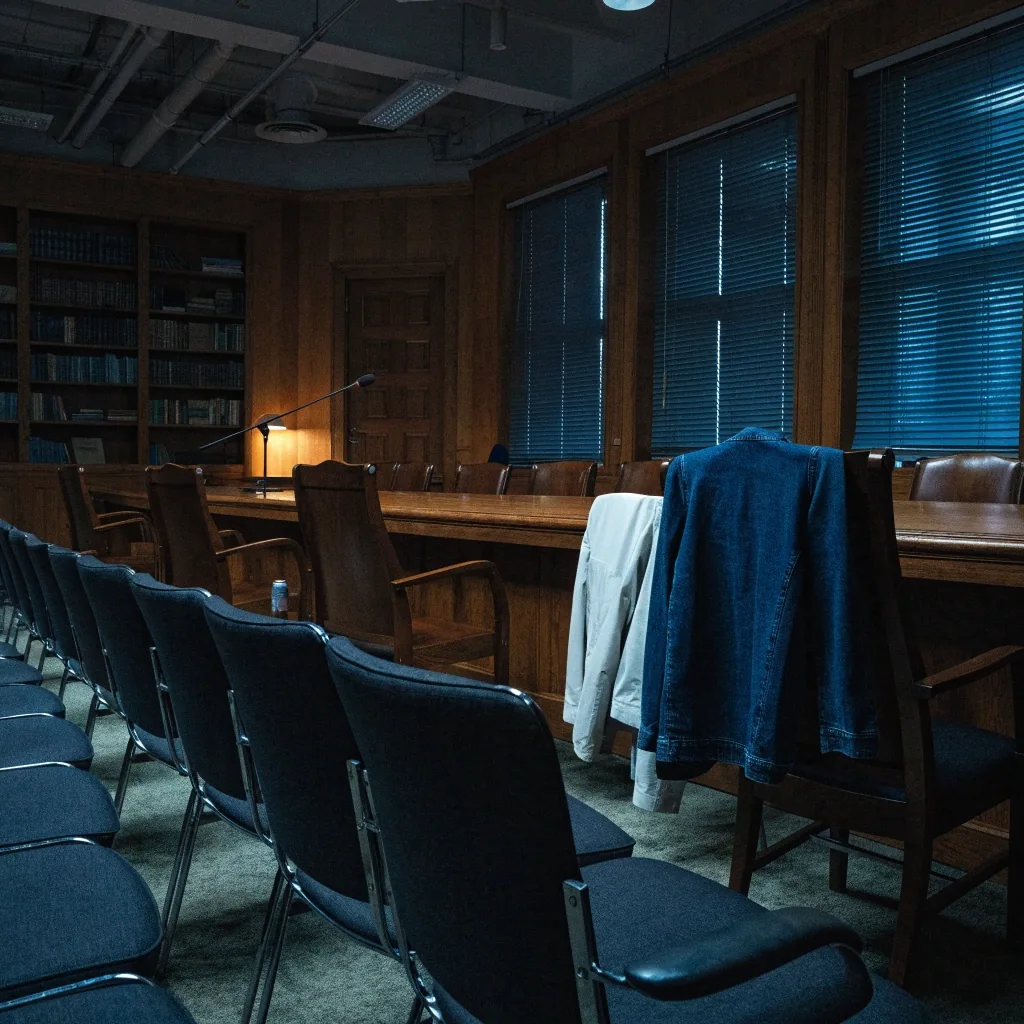
A hearing puts a decision on the record. A document request creates a paper trail. A subpoena testifies to a refusal. None of them pass a law, and all of them can change what the public knows before the next budget vote.
Briefing room after hours. Most oversight news is made in rooms like this one, not on the floor.
Redistricting and election administration on the Hill
Federal legislation on elections has to work within state authority, which is why Congress's role is narrower than it first appears. Where Congress matters is funding, oversight and any attempt to set national standards — not the drawing of district lines themselves.
Redistricting is largely a state and court matter, but federal proposals keep reappearing. Before assuming a bill can do what its title suggests, check the committee jurisdiction. A measure labelled as setting election standards may only appropriate money, and a measure labelled as funding may carry conditions on how states spend it.
Election administration funding is the quiet end of this beat. States run the machinery, and Congress decides what share of it gets paid for. When an appropriations line moves, county clerks feel it long before any policy argument reaches a hearing room.
What the split means next term
The margin decides
Even after the 2026 elections, the margin between the parties will decide whether major legislation is possible or whether the next Congress repeats the current pattern of stalled bills. A narrow majority in either chamber changes the procedural math significantly: fewer members can block a unanimous-consent request, and a single defection can sink a cloture vote.
That is the practical question behind the control debate. Not who holds the gavel in January, but how many votes they have to spare on any given day. We track it race by race rather than in the abstract.
Reading the votes yourself
Primary sources are public. Roll-call records, committee schedules and bill texts are all available, and we link our reporting to them where we can. Cross-checking a headline against the underlying vote is the fastest way to see what actually happened.
If a vote count does not match a claim, the discrepancy is usually the story. Vote totals, amendment numbers and the difference between a procedural motion and a final passage vote are all verifiable in the record within hours of a tally.
Our corrections contact is on the About page if we get one wrong. We would rather fix a line than leave a bad count standing.
Can Congress still pass major legislation this year?
What happened to AI safety legislation?
Does Congress control redistricting?
Why does a committee chair matter so much?
Where to follow next
This tracker follows the institution. The races that will decide its next composition are tracked separately, race by race, and the rules that shape them are tracked on the election law page.
Corrections and tips: contact the desk. Weekdays, 9:00 AM – 6:00 PM ET.
Floor votes
Roll calls as they are recorded
Committee
Hearings and markup schedules
Oversight
Documents, testimony, subpoenas
Lame duck
What still has a path after Nov 3